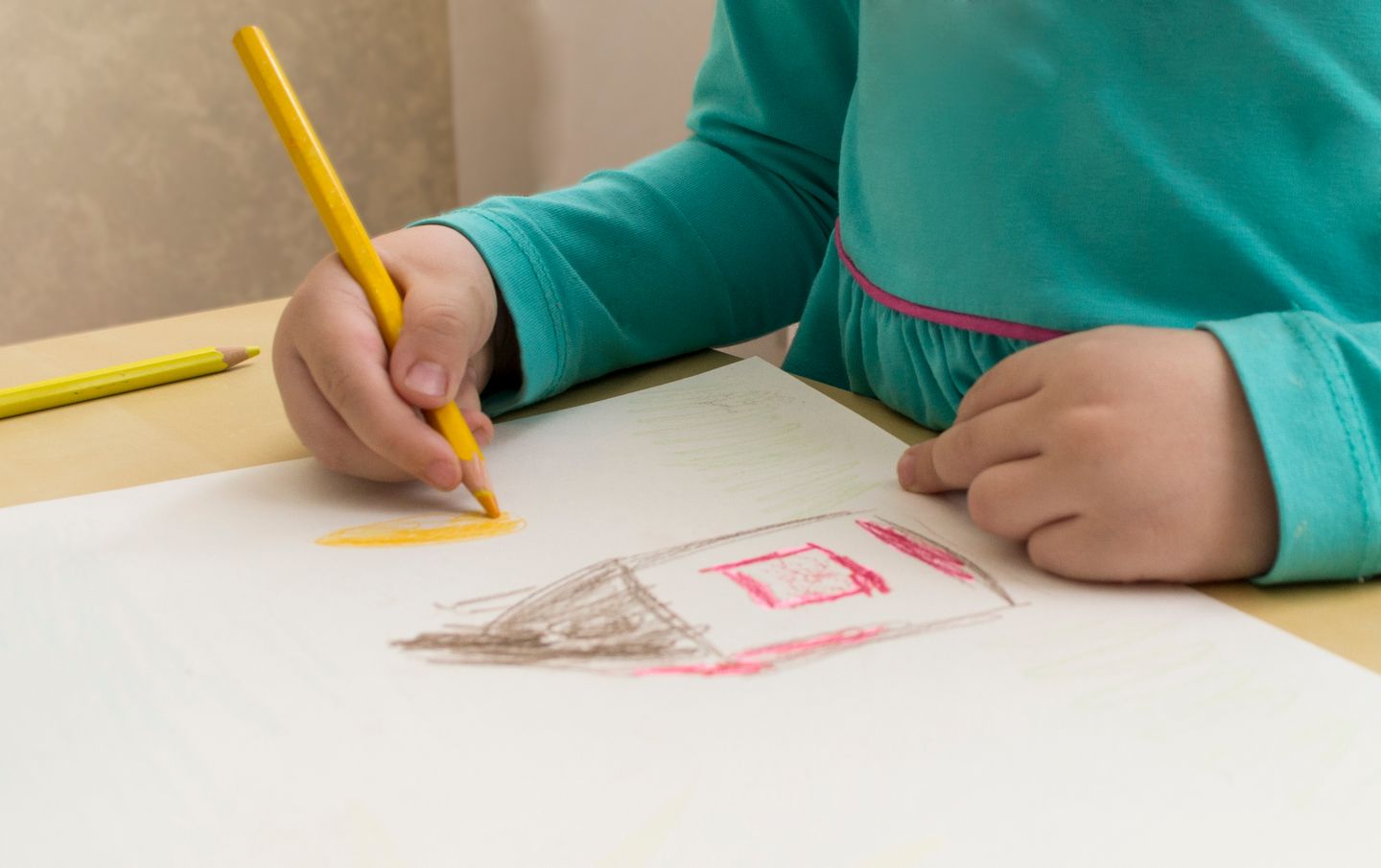
The most useful coloring page for your child is one that matches their current interests and feels manageable to use. Age recommendations are a starting point, but they do not tell you everything about the size of the shapes, the complexity of the picture, or the tools your child likes.
Look at the actual artwork when previews are available. Then offer a page as an invitation to make something, with room to change the activity if it does not appeal.
Begin with the subject
Ask what your child would like to color. Animals, vehicles, flowers, or patterns may catch their attention at different times.
Offer a small choice rather than a large catalog. “Would you like an animal or a flower?” can be easier to answer than “Which of these twenty pictures is best?”
If a child wants to draw the subject themselves, plain paper may be the better choice that day. A coloring book is one kind of creative activity, not a required stage of learning to draw.
Look at the spaces and outlines
Large spaces and clear outlines may make it easier to start without many tiny decisions. More detailed scenes may appeal to a child who wants additional areas to explore.
Check whether the picture is crowded, whether important shapes are easy to recognize, and whether there is room to make broad marks. None of these features determines enjoyment on its own, but they help you understand what you are offering.
Avoid choosing a complicated page only because it looks more impressive. A simpler picture can still leave plenty of room for imagination.
Match the tools to the child
Choose tools with appropriate age guidance, follow the manufacturer's safety instructions, and supervise as needed. Pay attention to whether your child can hold the tool comfortably and whether the surface can tolerate the material.
There is no need to introduce several kinds of supplies at once. A few familiar colors may be enough to find out whether the page is interesting.
Protect the table when using materials that can bleed or stain. If a tool makes the activity awkward, change the tool or setup instead of insisting that the child continue with it.
Offer a short first session
Try one page and see what happens. Your child might color one part, add a story, draw outside the outline, or move on quickly.
Notice whether they choose to return, not whether they completed every shape. You can save the page for later without treating it as unfinished homework.
If the activity becomes frustrating, offer fewer colors, larger spaces, plain paper, or a different activity. Coloring does not need to become a test of patience or emotional control.
Check the book details before buying
For a printable coloring book, check:
- Its intended audience and available examples.
- The digital file format and known page dimensions.
- How the purchase and download work.
- What printing and sharing permissions the license gives you.
- Whether supplies or physical items are included.
Color Haven's Cute Animals Coloring Book is a digital PDF aimed at young children. Its listing describes 30 animal illustrations with simple, bold outlines. It is delivered through Gumroad, and no physical coloring tools or printed book are shipped. We do not claim that one book suits every child or every age.
Make the activity your child's own
Let your child name an animal, choose an unexpected color, or leave a background empty. Those choices can be part of the activity rather than problems to correct.
For ideas you can adapt together, try our screen-free coloring activities. For the practical steps from file to paper, use the printing checklist. Choose a manageable starting point and let their interest guide what happens next.